
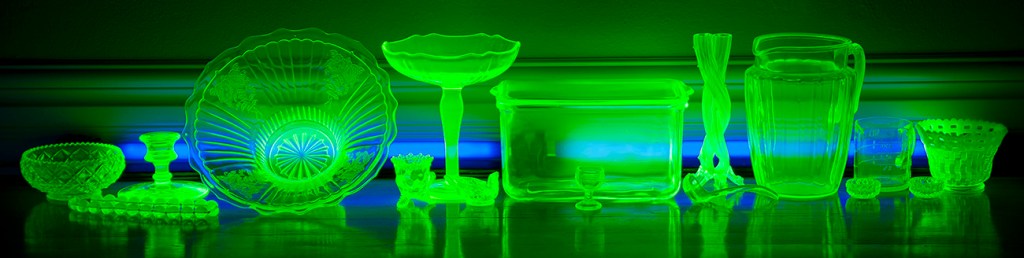
WTF IS URANIUM GLASS?
Uranium was first discovered in 1789 by German chemist Martin Heinrich Klaproth, and it was soon used in decorative glass because of its unique color. James Powell’s Whitefriars Glass company in London was among the first to sell this glowing glass, and other manufacturers quickly saw its popularity, leading to production across Europe and later the United States.
Uranium glass was commonly made into tableware and household items, but its use decreased significantly during the Cold War from the 1940s to the 1990s when uranium became mostly reserved for nuclear weapons and power. Today, most uranium glass is considered antique or retro collectible, although there has been a small revival in art glass. Nowadays, modern uranium glass is mainly found in small items like beads or marbles, serving as scientific or decorative curiosities.
Uranium glass is a type of glass that has uranium added to it, usually in a form called diuranate, before it’s melted to create color. The amount of uranium can range from a little bit to about 2% by weight, but some pieces from the 20th century had as much as 25% uranium.
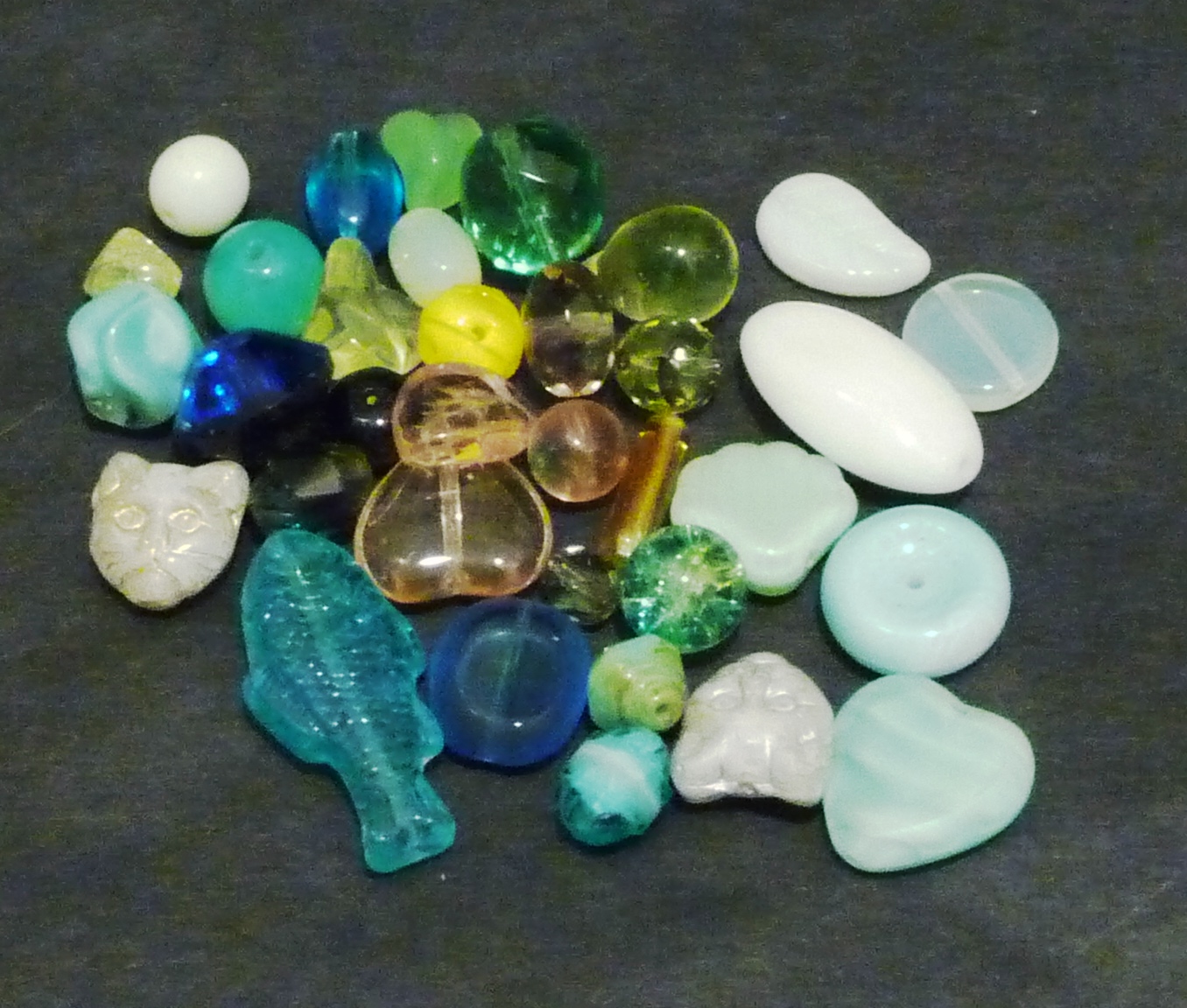
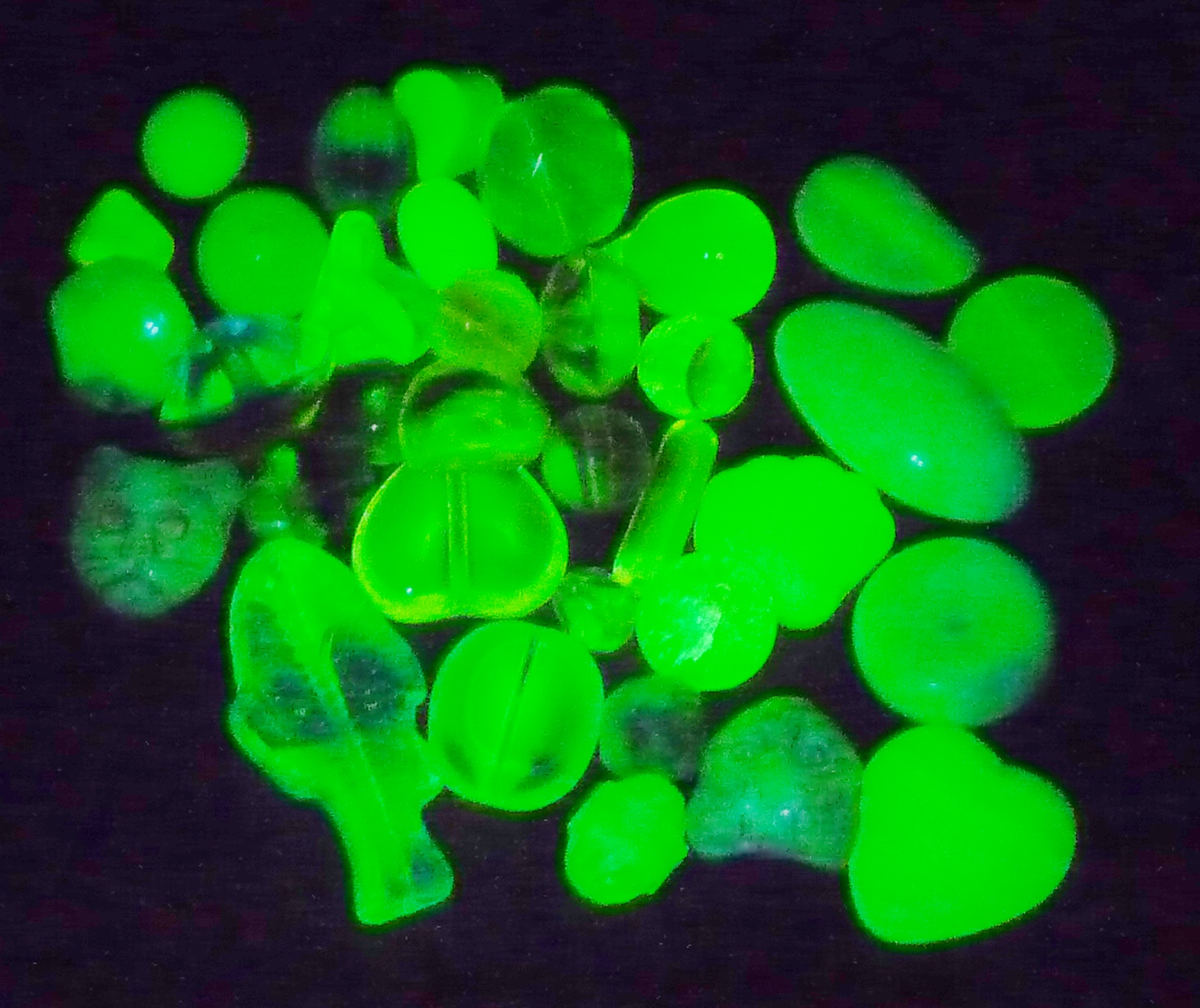
WTF IS EUROPIUM GLASS?
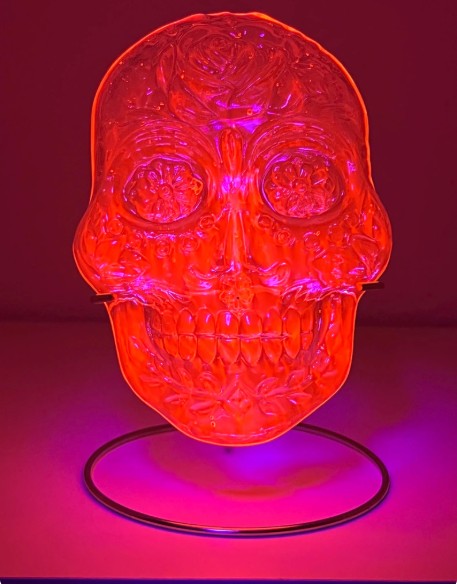
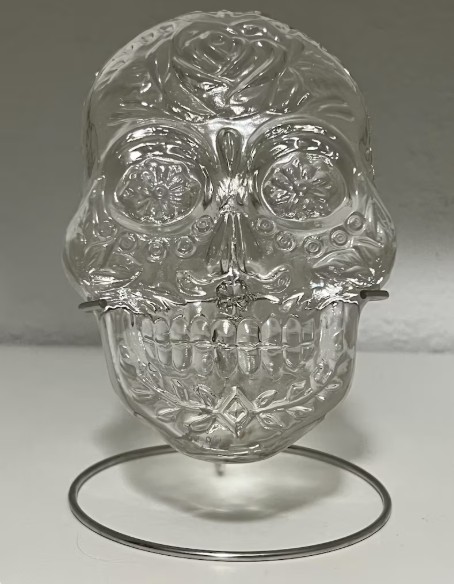
Europium art glass is a special type of glass that shines or glows, especially when under ultraviolet (UV) light. This glowing effect comes from adding europium, a rare and special element, to the glass.
HOW IT WORKS:
- Adding Europium Oxide: During the glass-making process, europium oxide (Eu2O3) is mixed into the glass.
- Glowing Effect: When the glass is exposed to UV light, the europium inside absorbs energy and then releases it as visible light, making it glow.
- Color Variations: The color of the glow (like red, orange, or green) can be changed by adjusting how much europium and other materials (like terbium for green or cerium for blue) are used.
APPLICATIONS IN ART:
- Unique Decorative Items: Artists use this glowing glass to make beautiful sculptures, vases, and other decorative pieces.
- Light-Responsive Art: The glass can change color and glow under UV light, which is perfect for interactive art installations.
- Mixing Art and Science: Making europium art glass combines artistic creativity with scientific research, as artists explore the effects of rare-earth elements.
EXAMPLES:
- Glass that glows orange and red with europium and samarium oxides under UV light.
- Glass mixed with europium, terbium, cerium, and other elements produces different colors when exposed to UV light.
- Special glasses and ceramics with europium are also made for dental restorations, as they can glow.
 The Boux Store